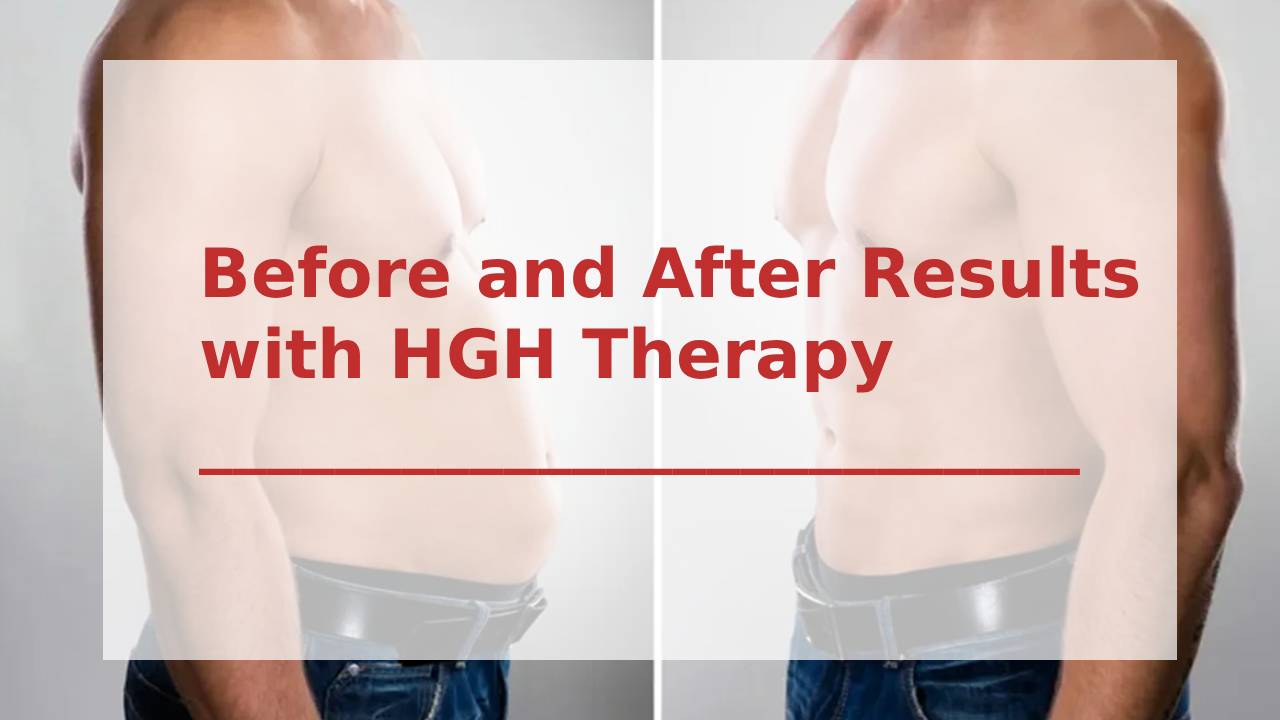
Human Growth Hormone (HGH) therapy has gained attention for its potential to improve body composition, metabolism, recovery, and overall vitality. Many people are curious about before and after results, but it’s essential to understand that outcomes vary depending on individual factors, lifestyle, and medical supervision.
This article provides a detailed overview of what to expect from HGH therapy, how results are measured, and what factors influence its effectiveness — all while emphasizing safety and evidence-based guidance.
For individuals seeking additional metabolic and appetite support alongside HGH therapy, the Ozempic Pen USA provides a trusted, medically approved option to support fat-loss goals under professional supervision.
1. How HGH Works in the Body
HGH is a peptide hormone produced naturally by the pituitary gland. Its primary functions relevant to body composition and fat loss include:
- Stimulating lipolysis: Promotes the breakdown of stored fat, especially visceral fat.
- Preserving lean muscle mass: Helps maintain muscle during caloric deficits.
- Supporting recovery and repair: Enhances tissue repair and recovery from training.
- Regulating metabolism: Influences glucose and lipid metabolism for better energy utilization.
The hormone works largely through IGF-1 (Insulin-Like Growth Factor 1), which mediates many of its anabolic and metabolic effects.
2. Factors That Influence Before and After Results
2.1. Age and Baseline Hormone Levels
Older individuals or those with lower baseline HGH/IGF-1 levels may notice more pronounced changes, while younger adults with normal hormone levels may see subtler results.
2.2. Diet and Nutrition
Adequate protein, controlled carbohydrate intake, healthy fats, and micronutrients are essential to maximize HGH effectiveness.
2.3. Exercise Routine
Resistance training and high-intensity workouts enhance HGH effects, supporting lean muscle retention and fat loss.
2.4. Sleep and Recovery
Quality sleep enhances natural HGH secretion and complements therapy, improving recovery and metabolic benefits.
2.5. Medical Supervision
Results depend heavily on proper dosing, monitoring of IGF-1 and metabolic markers, and adjusting therapy based on lab results.
3. Expected Physical Changes
3.1. Fat Loss
- Reduction of visceral fat and improved waist-to-hip ratio
- Subtle changes may appear in the first 4–8 weeks with noticeable effects over several months
3.2. Muscle Tone
- Improved muscle definition and slight gains in lean mass
- Strength retention during caloric deficits
3.3. Skin and Tissue Health
- Firmer skin and improved elasticity
- Enhanced wound healing and tissue repair
3.4. Energy and Recovery
- Reduced fatigue after workouts
- Faster recovery from intense exercise or daily activities
4. Psychological and Lifestyle Benefits
- Increased motivation to maintain a healthy lifestyle
- Enhanced sleep quality and mental focus
- Better adherence to diet and exercise programs
5. Case Studies and Anecdotal Observations
While individual results vary, clinical observations suggest:
- Patients with HGH deficiency often experience significant improvements in body composition and energy.
- Users without deficiency may see more subtle changes but can benefit from metabolic support and improved recovery.
Important: Results are best interpreted with before-and-after measurements, lab markers, and documented progress rather than relying solely on visual changes.
6. Managing Expectations
It’s crucial to approach HGH therapy with realistic expectations:
- Gradual changes: Visible results typically appear over several weeks to months.
- Individual variability: Genetics, age, lifestyle, and baseline hormone levels all influence outcomes.
- Lifestyle dependency: HGH supports fat loss and muscle preservation but does not replace proper diet, exercise, and sleep.
- Medical supervision is essential: Regular monitoring ensures safe and effective therapy.
7. Tracking Progress Safely
To evaluate before-and-after results, consider multiple metrics:
- Body composition analysis: Measure fat mass vs. lean mass using DEXA scans or calipers.
- IGF-1 and lab markers: Track hormone levels and metabolic indicators.
- Photos and measurements: Document waist, hips, arms, and other key areas.
- Fitness performance: Record strength, endurance, and recovery improvements.
8. Potential Risks and Safety Considerations
Even under supervision, HGH therapy carries potential risks:
- Fluid retention and swelling
- Joint or muscle discomfort
- Blood sugar fluctuations
- Carpal tunnel-like symptoms
- Increased risk if underlying conditions are present
Regular monitoring and physician guidance mitigate these risks.
9. Key Takeaways
- HGH therapy can support fat loss, lean muscle retention, and recovery, but results vary by individual.
- Before-and-after changes are influenced by age, diet, exercise, sleep, and medical oversight.
- Progress should be tracked with a combination of body measurements, lab markers, and lifestyle documentation.
- Safety and realistic expectations are paramount; therapy without supervision is not recommended.