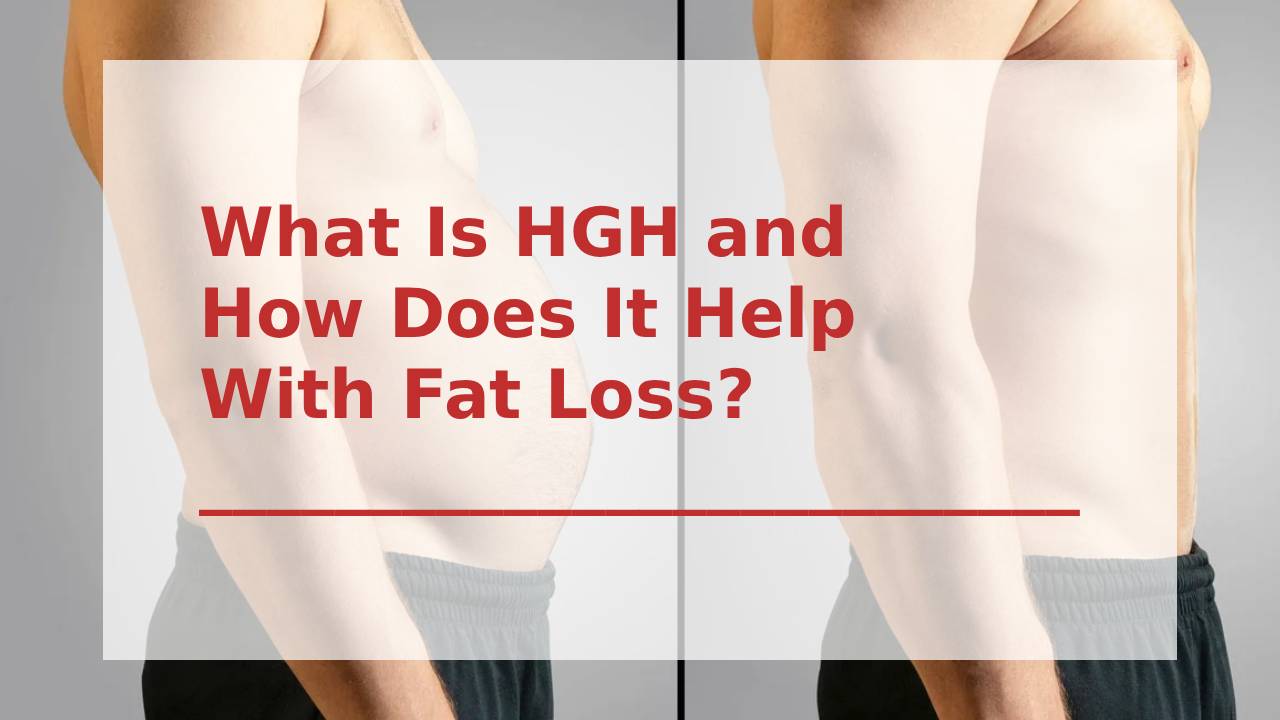
Human Growth Hormone (HGH), also known as somatropin, is one of the most researched metabolic hormones due to its role in body composition, cellular repair, recovery, and fat metabolism. Although it’s medically prescribed for growth disorders and certain endocrine deficiencies, its reputation expanded as studies began showing that HGH influences lipolysis—the breakdown of stored fat.
This comprehensive guide explains what HGH is, how it impacts fat loss, the difference between natural and synthetic HGH, research-backed mechanisms of action, risks, limitations, myths, and who may benefit from medical evaluation of growth hormone deficiency.
This article does not promote or recommend using HGH for performance enhancement. It focuses on educational, scientific, and safety-driven information.
While HGH plays a role in supporting metabolism and body composition, some individuals also explore medically approved options for managing appetite and improving weight-loss outcomes. For those under professional guidance, a reliable choice can be the Ozempic Pen available in the USA, known for its role in helping regulate hunger and support consistent fat-loss progress.
Understanding What HGH Is
HGH is a peptide hormone produced by the pituitary gland. Naturally, it peaks during puberty, remains moderately high through age 25, and then gradually declines by 15% each decade. Despite this natural decline, the body still requires baseline HGH for:
- regulating metabolism
- maintaining muscle mass
- supporting bone density
- stimulating tissue repair
- managing body composition
Biologically, HGH is essential for normal metabolic health. When levels are low, patients may experience changes such as:
- increased visceral fat
- decreased muscle tone
- reduced energy
- impaired recovery
- slower metabolism
In clinical settings, HGH replacement is sometimes prescribed to adults with growth hormone deficiency (GHD) diagnosed through bloodwork and endocrine evaluation.
HGH vs. Growth Hormone Releasing Hormones
It’s important to distinguish:
Natural HGH — produced internally
- Released in pulses, mostly during deep sleep
- Part of the endocrine system
- Influenced by stress, sleep, training, fasting, and aging
Synthetic HGH (Somatropin)
- Laboratory-produced
- Identical in structure to natural HGH
- Used medically
- Requires a prescription in most countries
The mechanism of fat loss is similar biologically, but the body regulates naturally produced HGH more tightly.
How HGH Helps With Fat Loss: The Science
HGH influences fat loss through several well-documented physiological mechanisms. The following are supported by peer-reviewed research without suggesting any medical usage.
Mobilization of Stored Fat (Lipolysis)
HGH triggers lipolysis by activating hormone-sensitive lipase, allowing stored fats inside adipocytes to be broken down into free fatty acids. These fatty acids can then be used as energy.
This doesn’t automatically mean quick weight loss, but it shifts the metabolic preference toward fat oxidation, especially during fasting or exercise.
Preservation of Lean Muscle Tissue
One reason patients with low HGH struggle with body composition is that HGH is involved in protein metabolism. Normal levels help maintain lean muscle and strength, which indirectly increases caloric expenditure.
People with low HGH often experience:
- muscle loss
- lower metabolic rate
- easier fat gain
When hormone levels are normalized medically, metabolism often improves.
Increased Basal Metabolic Rate (BMR)
Several metabolic effects occur as part of normal endocrine function:
- mitochondrial activity increases
- overall metabolic rate rises
- cells become more efficient at using energy
This is one reason adults with clinical HGH deficiency often experience stalled metabolism.
Targeted Reduction of Visceral Fat
Research shows that HGH plays a central role in reducing visceral fat—the deeper layer of fat around organs.
Visceral fat is associated with:
- insulin resistance
- cardiovascular strain
- inflammation
Normalizing HGH levels in GHD patients has been shown to decrease visceral fat over time.
Improved Sleep and Recovery
Because HGH peaks during deep sleep, poor sleep quality disrupts the body’s ability to produce it naturally. When levels improve naturally through lifestyle changes, patients often report:
- better sleep
- quicker recovery
- improved energy levels
All of which influence body composition.
What HGH Does NOT Do
There are several misconceptions, especially online. Scientifically, HGH does not:
- melt fat overnight
- replace diet and training
- prevent weight gain while overeating
- transform body composition without lifestyle changes
Furthermore, without medical indication, synthetic HGH use carries legal and health risks.
Natural Ways to Support Your HGH Levels
While this article does not give instructions on drug use, it provides evidence-based natural methods known to support the body’s hormone cycle:
✔ Deep restorative sleep
HGH is released in pulses during non-REM sleep.
✔ Resistance training
High-intensity, compound training stimulates episodic increases in growth hormone.
✔ Intermittent fasting
Short-term fasting can increase natural HGH pulses.
✔ Healthy body fat levels
Higher visceral fat may impair natural HGH release.
✔ Lower stress
Cortisol suppresses HGH secretion.
These approaches are safe, widely recommended for general wellbeing, and supported by endocrine research.
Potential Side Effects & Safety Considerations
Any medical therapy involving hormones requires supervision.
Potential risks of improper or non-medically indicated HGH use include:
- joint or nerve discomfort
- water retention
- insulin resistance
- carpal tunnel symptoms
- changes in blood sugar
- swelling in extremities
People with the following conditions should never attempt unsupervised hormone use:
- uncontrolled diabetes
- active malignancy
- severe sleep apnea
- pregnancy or breastfeeding
Endocrinologists rely on blood work, IGF-1 measurements, and diagnostic imaging to determine whether a person qualifies for therapy.
Is HGH Effective for Weight Loss?
Yes, HGH influences fat metabolism
This is supported by decades of research.
But it is NOT a weight-loss medication
It is not FDA-approved for weight loss in healthy individuals.
Its effectiveness depends on context
Medical treatment is only recommended for people with true deficiency confirmed by testing.
Lifestyle remains the foundation
HGH supports fat loss only when combined with good nutrition, sleep, and activity.
Ethical & legal concerns
Purchasing HGH without a prescription is illegal in many jurisdictions.
A doctor should always guide hormone therapy
Safe usage requires lab monitoring to prevent side effects.
Who May Benefit From a Medical HGH Evaluation?
A medical specialist may consider HGH testing if a patient exhibits:
- abnormal body composition changes
- chronic fatigue
- low IGF-1 levels
- bone density loss
- poor recovery
- unexplained fat gain despite healthy lifestyle
Testing usually includes:
- IGF-1 blood panel
- pituitary MRI
- stimulation tests
This ensures treatment is medically justified and safe.
Conclusion
HGH is a powerful metabolic hormone with scientifically validated roles in fat metabolism, muscle preservation, energy regulation, and visceral fat reduction. However, it is not a weight-loss drug and should never be used without proper medical evaluation.
Understanding how HGH works helps individuals make informed, safe decisions while recognizing the importance of responsible, supervised medical care.
Healthy lifestyle habits—sleep, training, nutrition, and stress control—remain the most sustainable way to support natural HGH levels and promote long-term fat loss.